



The first recorded Episcopal Services in the area of south central Pennsylvania that was later to become Juniata and Perry Counties was conducted in Thompsontown in 1824 when the Rev. Charles Snowden baptized several persons. By early 1826, this congregation was holding regular home services under the Rectorship of Rev. John B. Clemson. In 1827 a stone church, Saint Stephen’s was built. It was the first church built in Thompsontown and would remain to this day the only Episcopal Church in Juniata County. For a large part of the early years, the church was used by Methodists, Baptists, and Presbyterians. It was reclaimed by the Episcopal Church 1890.

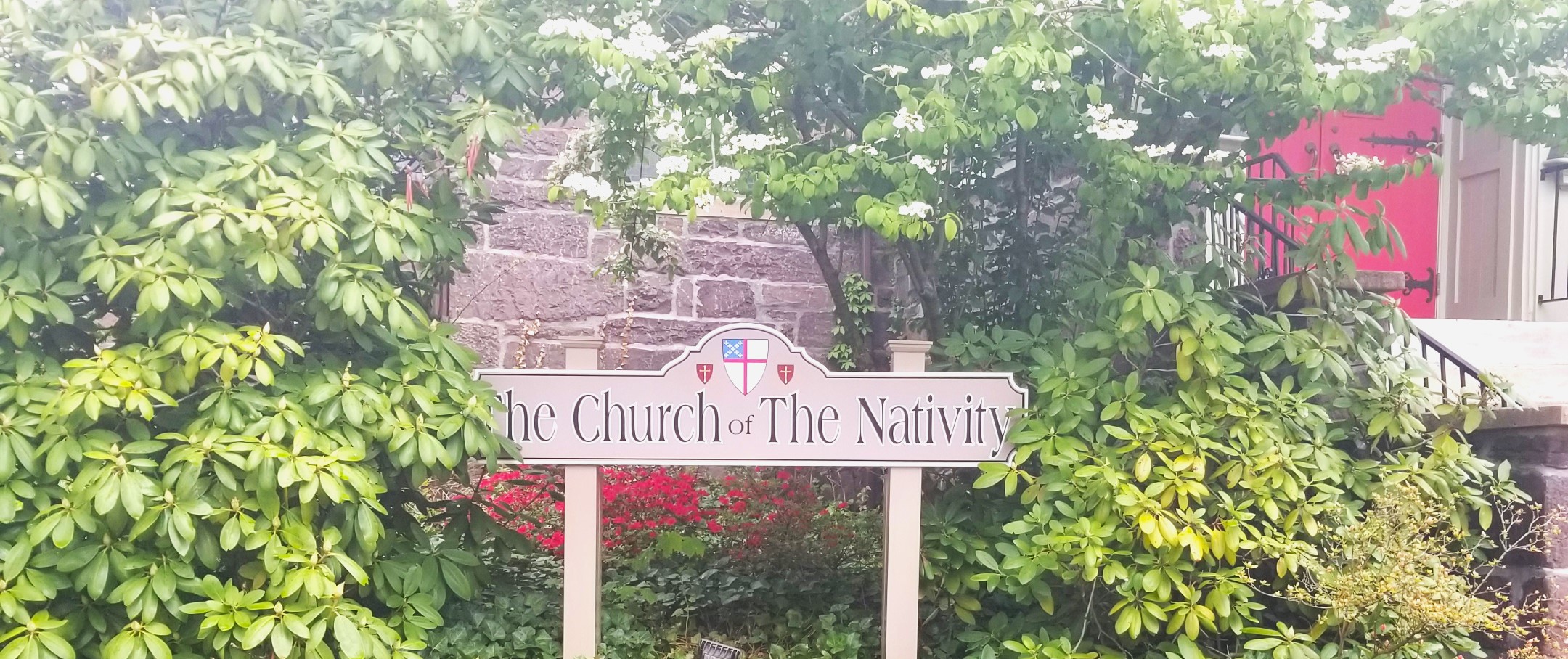
The Episcopal congregation in Newport actually began in 1875 with services of worship in the home of Henry and Elizabeth Bechtel. In September, 1885, the Rev. James Stoddard took charge of the congregation and in June, 1886, a lot was bought from John Fleisher for $800.00 at the southern end of Second Street in the borough, adjacent to Little Buffalo Creek, as a future church building site. Ground was broken and a cornerstone was laid for The Church of the Nativity on June 8, 1887. The church building was completed in June of 1889 and was consecrated on November 14, 1889 by the Rt. Rev. Nelson S. Rulison, Assistant Bishop of what was then known as The Episcopal Diocese of Harrisburg, now The Diocese of Central Pennsylvania.
The Church of the Nativity, Newport, and St. Stephen’s Church, Thompsontown, officially joined their ministries together in June 1984 as a single, unified, incorporated parish (The Church of the Nativity and St. Stephen) with the continued use of both church buildings for worship and service to their respective communities. Today, our parish enjoys an active membership of 125 persons and oversees a budget of nearly $250,000.00 of which at least twenty-five percent is used in mission work outside the parish.
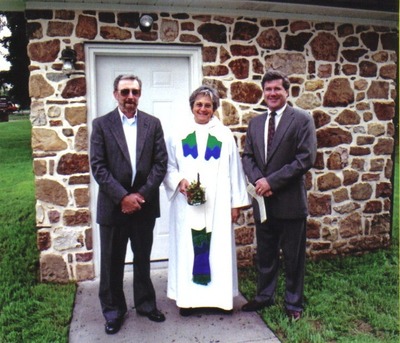
On October 1, 2006 an annex building was dedicated at the site of Saint Stephen's in Thompsontown. This annex will add to our hospitality ministry by providing wheelchair accessible sanitary facilities. To further aid visitors, a ramp was installed providing improved access to the church.